How to Measure Website Phone Calls Properly
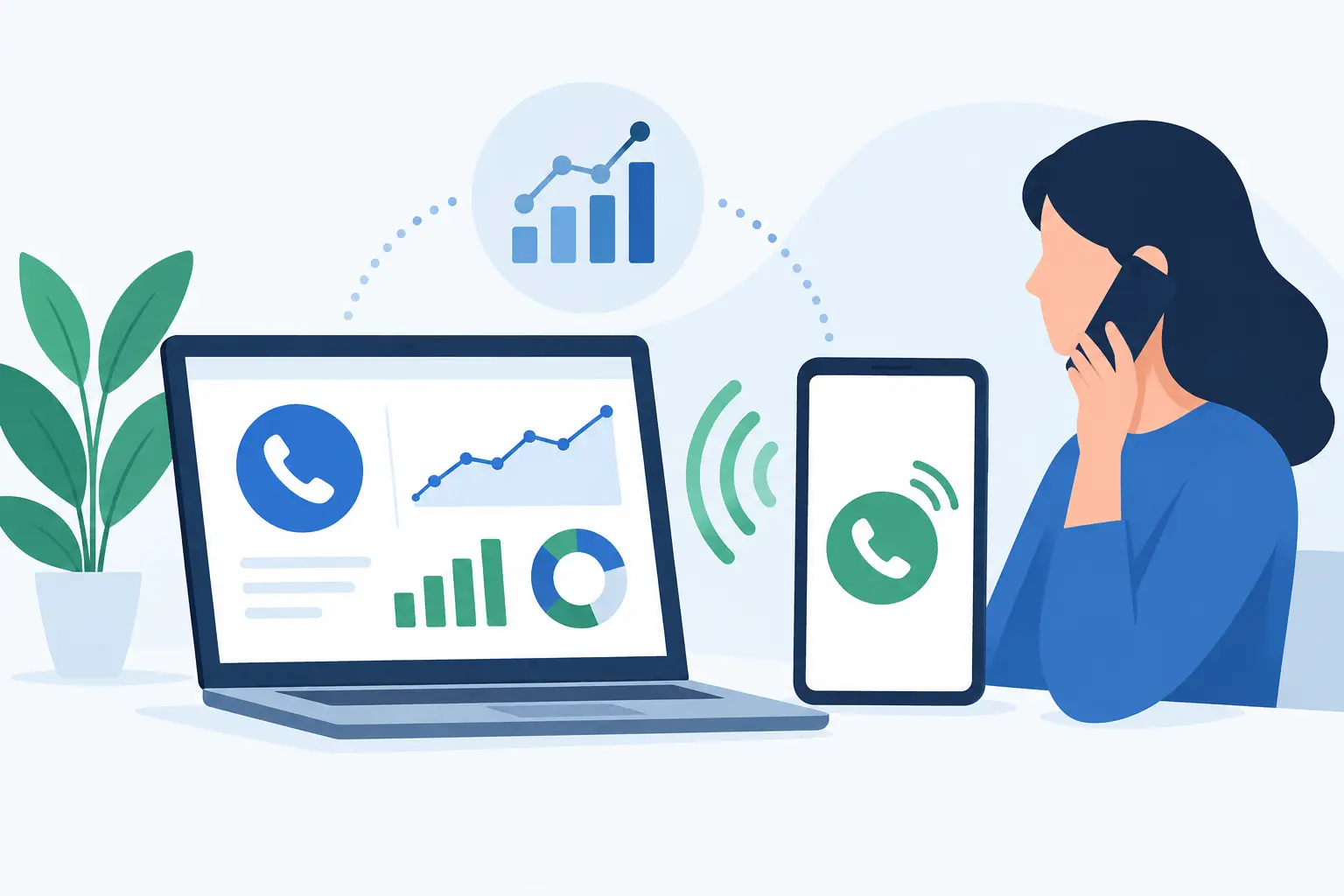
A phone call from your website can be your best lead of the week – a boiler repair booked, a consultation arranged or a sizeable local contract won. Yet many businesses only see web traffic and form submissions in their reports. If you want to know how to measure website phone calls, the aim is not simply to count taps on a number. It is to understand which marketing activity generates genuine enquiries and, ultimately, paying customers.
That distinction matters. A website that produces 20 calls may be performing far better than one that produces 20 form completions, or far worse if most calls are spam, sales calls or people looking for work. Good call measurement gives you evidence to improve the pages, adverts and local search activity that deserve your budget.
Why website call tracking matters
For many Fife service businesses, the telephone remains the fastest route to a sale. A customer with a leaking pipe, an urgent legal question or a project they want priced does not always want to complete a form and wait for a reply. They want reassurance from a real person.
Without tracking, it is easy to make the wrong decision. You might assume Google Ads are wasting money because few forms arrive, while the campaign is actually driving valuable calls. Or you might spend months adding blog posts when most of your best leads come from a well-written service page found through Google Maps.
Call data helps answer practical questions: Are mobile visitors calling? Which service pages encourage enquiries? Do paid adverts produce better calls than organic search? Are calls being answered quickly enough? You do not need a marketing department to use that information. You need a sensible setup and a regular habit of reviewing it.
How to measure website phone calls accurately
There are two levels of measurement. The first records a click on a phone number. The second tracks the actual call, including its source, timing and outcome. Both have a place, but they tell you different things.
Start by tracking click-to-call actions
On a mobile phone, visitors can tap a telephone number to call. Your website analytics platform can record this tap as an event, often called a click-to-call event. This is a useful baseline because it shows intent and identifies pages where visitors are ready to make contact.
Your web developer can set this up through Google Tag Manager and Google Analytics 4. The event should fire whenever someone clicks a telephone link, normally one beginning with `tel:`. It can then be marked as a key event in Analytics, allowing you to see which traffic sources, landing pages and devices lead to phone-number clicks.
Do not treat every click as a completed call. Someone may tap by mistake, abandon the call or find the line engaged. A click-to-call event is best described as a call intent signal. It is valuable, but it is not the final answer.
Use call tracking numbers when source matters
A call tracking platform provides dedicated phone numbers that forward calls to your usual business number. When someone calls that number, the platform records the call and attributes it to the relevant source, such as organic Google search, a Google Ads campaign or a particular page.
For website tracking, the usual approach is dynamic number insertion. A visitor arriving from Google Ads sees one tracking number, while a visitor arriving from an unpaid Google search sees another. Both numbers forward to the same phone, so the customer experience remains straightforward and your team does not need to change how it answers calls.
This approach provides much richer information than a click event. Depending on the provider and your settings, you may see the marketing source, keyword or campaign, landing page, call duration, date, time and caller area code. Some platforms can also send completed-call data back into Google Ads, helping its bidding system prioritise adverts that bring enquiries rather than empty clicks.
There is a trade-off. Dynamic call tracking has an ongoing cost and needs proper installation. It is worthwhile when calls are a major source of business or when you are investing in paid advertising. For a very small business with little traffic, click-to-call tracking and a simple enquiry log may be enough to start with.
Record the quality of each call
The number of calls is only a starting point. A 90-second conversation with a homeowner asking for a quote is different from a ten-second wrong number. If you judge marketing by raw call volume alone, you can end up funding activity that keeps the phone busy without keeping the diary full.
Create a simple process for whoever answers the phone. After a genuine enquiry, note the service requested, location, approximate job value, source if known, and whether a quote or appointment was booked. A spreadsheet is perfectly acceptable at first. A customer relationship management system is useful once enquiries become harder to manage.
Ask callers a natural question such as, “How did you find us?” This will not be precise every time, but it fills gaps that tracking cannot. Someone may have seen your van, searched your company name later, and called from the website. Attribution is rarely perfect. The goal is a dependable overall picture, not false precision.
Set up measurement without creating a confusing website
Tracking should not interfere with the basics. Your phone number needs to be visible in the website header, clear on mobile and consistent with your Google Business Profile and other key listings. Hiding it behind a contact page to force form completions is usually a poor choice for a local service business.
Make sure the call button is labelled clearly, particularly on smaller screens. “Call for a quote” is more useful than a vague icon. It tells visitors what will happen and supports the action you want them to take.
If you use dynamic tracking numbers, configure them carefully. Search engines and customers should still be able to find your main business number where appropriate. A competent implementation displays tracking numbers to visitors while retaining the correct underlying business details. This avoids creating inconsistent information across your digital presence.
You should also consider privacy. Call recordings can be useful for training, checking lead quality and resolving disputes, but they must be handled responsibly. Tell callers if calls are recorded, restrict access to recordings and set a sensible retention period. Do not record calls merely because the software makes it possible.
What to review each month
A monthly review is usually frequent enough for a small local business. Look beyond the total number of calls and compare lead quality across channels. For example, organic local search may deliver fewer calls than paid ads but produce larger jobs. Equally, an advert campaign may create immediate enquiries during a quiet period, making it commercially worthwhile even if the cost per call is higher.
Review the pages generating the most call intent. If one service page repeatedly drives calls, protect its search visibility and make the next step even clearer. If a heavily visited page receives no calls or forms, investigate why. The service may be unclear, the page may load poorly on mobile, or visitors may not see enough proof that your business is credible.
It is also worth checking missed calls. Marketing can be doing its job while operations let the result slip away. If calls regularly arrive after hours or when you are on site, a call answering service, clearer opening hours, a booking option or an automated follow-up message may recover opportunities that would otherwise disappear.
Turn call data into better website decisions
The strongest use of call tracking is not reporting for reporting’s sake. It is making better decisions. If people call after visiting your emergency service page, feature the number more prominently. If a campaign produces calls for work you do not want, tighten the advert wording and page copy. If callers repeatedly ask the same question, answer it clearly before they pick up the phone.
A good website should make enquiries easier to generate, answer and convert. Measuring calls shows whether it is doing that job. Start with click-to-call tracking, add dedicated call tracking when the volume or advertising spend justifies it, and make sure someone records what happens after the phone rings.
The most useful measure is not how many people reached your number. It is how many of the right people became customers – and what your website can do next month to produce more of them.
More Posts
 29 September 2026
- 28 September 2026
- Business tips
Google Maps Visibility Guide for Local Businesses
27 September 2026